How DP Marcell Rév embraced 65mm for 'Euphoria' Season 3 with a lush 'pilot stock' that became Kodak's innovative VERITA 200D
Photograph by Patrick Wymore/HBO.
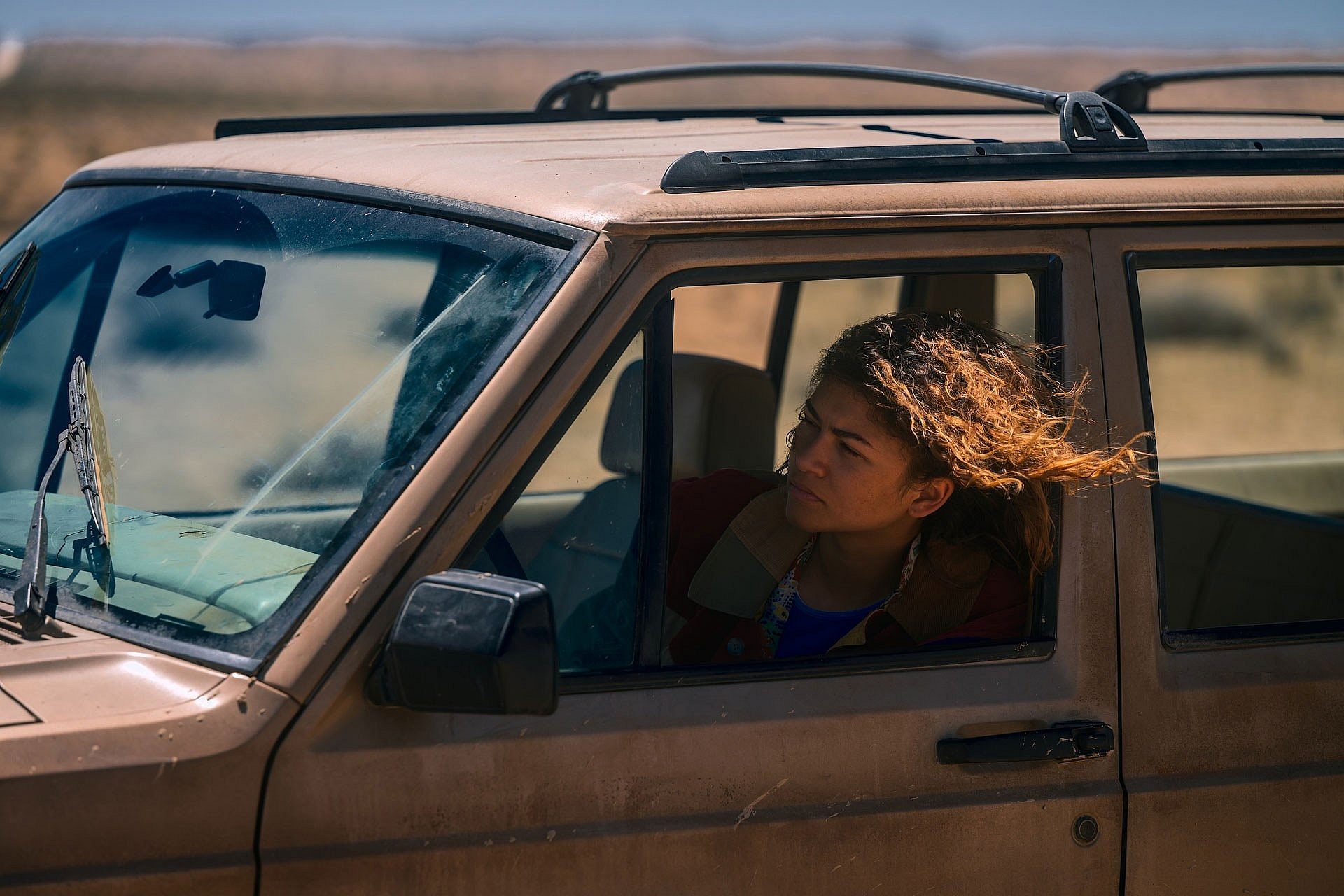
After revitalizing EKTACHROME in 35mm for the surreal Season 2 of HBO's Euphoria, creator/director Sam Levinson and cinematographer Marcell Rév, HCA, ASC are back with a completely different look for Season 3. That's because they wanted a brighter and more vibrant aesthetic in the tradition of classical Hollywood for the five-year, post high-school narrative jump.
As a result, Levinson and Rév worked closely with Kodak's film design team towards a new color negative motion picture film — referred to as "pilot stock" — to meet the desired look for Season 3 without sacrificing the practical requirements of a modern production workflow. Ultimately, the result is Kodak's recently introduced VERITA 200D 5206/7206, now available in 65mm, 35mm, and 16mm.
The new stock offers detailed highlights, high color saturation, deep blacks, warm, natural skin tones, and exceptionally rich dynamic range. This was perfect for the lush, landscape imagery that the filmmakers wanted, inspired by such classic Westerns as The Searchers and Once Upon a Time in the West.
Photograph by Eddy Chen/HBO.
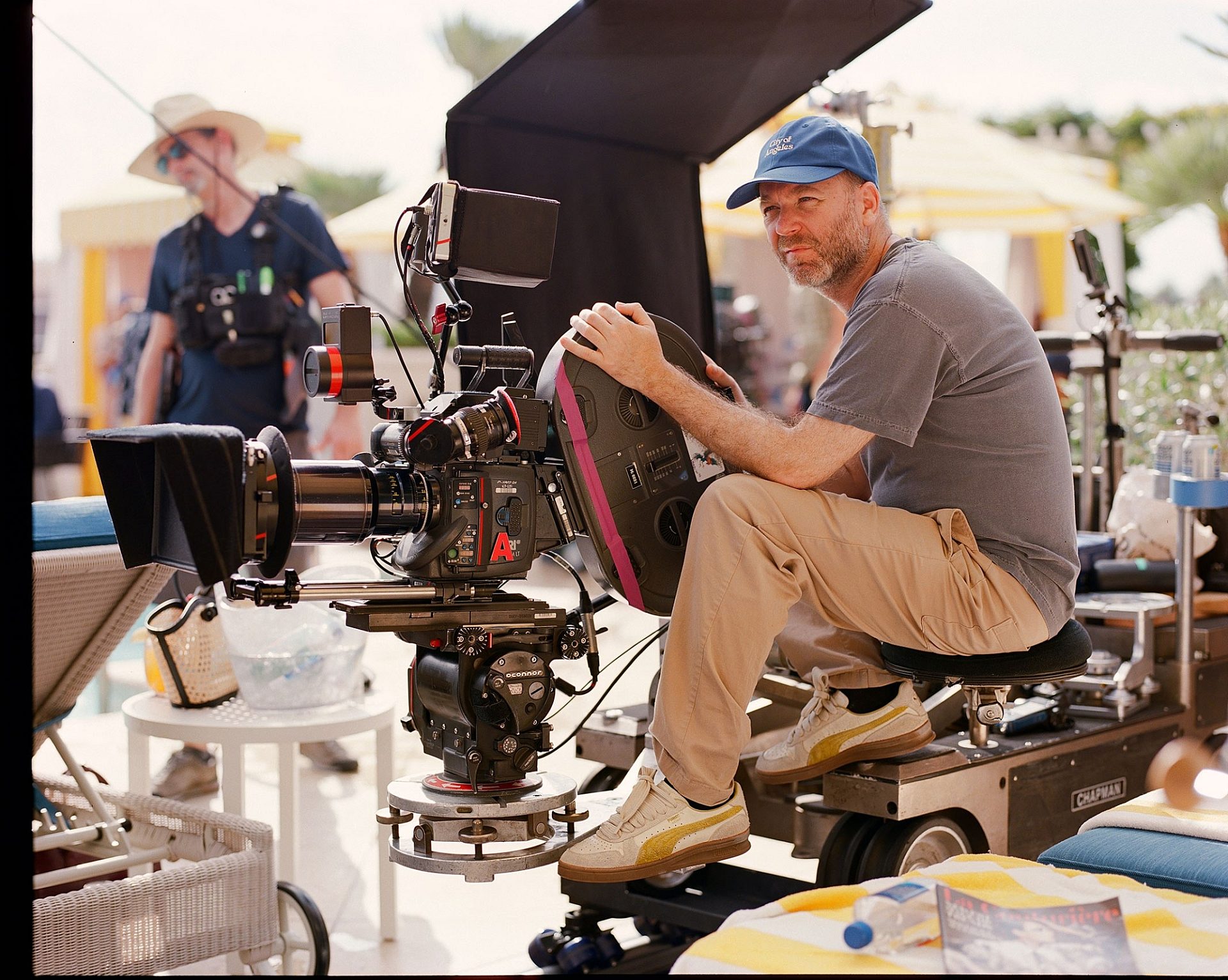
Levinson and Rév exposed more than one million feet of VERITA 200D in both 35mm and 65mm formats for Season 3, which was shot entirely on KODAK film. In fact, this marks the first TV series to shoot significant volumes of large format 65mm film.
"I've been using VERITA on smaller stuff, like commercials and music videos, but this is the first time using it in a long form," Rév says. "The new stock has a little steeper density curve and it's less sensitive than VISION3 motion picture film stocks. But it still has all the advantages of modern film negative. It looks a little more like an old school, golden age film print stock."
While previous seasons of Euphoria delved into highly stylized, mini movies of characters navigating their frenetic high school journeys, Season 3 takes a step back to view them from a larger, more expansive perspective, as they search for their identities in their early twenties.
As a result, the director and cinematographer took advantage of 65mm VERITA in a 2.20:1 aspect ratio to accentuate faces, objects, and environments with eye-popping yellows, blues, and reds, using as much available light as possible. "I think all the VISION3 stocks that are on the market are technically amazing, but they were designed for scanning and just capturing as much as possible," adds Rév. "We were going a little bit for the opposite. Have something that challenges us a bit but also gives us a more flavorful image."
Photograph by Eddy Chen/HBO.
While daylight exteriors/interiors were shot on VERITA, night interiors and most night exteriors were shot on KODAK VISION3 500T Color Negative Film 5219. "The reason for that is because the 500T is more sensitive and it's tungsten balanced. So, every time we were in a more tungsten-balanced environment, we shot on the 500T. And the VERITA is a daylight-balanced stock. That's where it really shines."
In terms of cameras, Rév shot 5-perf 65mm on Arri 765 and 35mm VISION3 500T on ARRI LT. Lenses for 65mm included Arri's prototype 65mm lenses and the Arri/Zeiss prime 765 set, and for 35mm they used Panavision E Series anamorphic, Panavision C Series anamorphic, Panavision Macro Anamorphic Panatar, and Panavision Primo Anamorphic zoom SLZ11 24-275mm. T2.8.
However, lighting the pilot stock at its 200 ISO rating was a challenge because it's not as forgiving with underexposure as the VISION3. "It's really forgiving in the highlights, but not that forgiving in the shadows," emphasizes Rév. "So, I'm definitely using more fill light than with other stocks. I'm definitely creating a more evenly lit image to achieve that same kind of contrast. It's a more classical approach to lighting, and it was a joyful experience to do that. I enjoy being forced to light for less sensitive stocks. It results in bolder choices."
Photograph by Patrick Wymore/HBO.
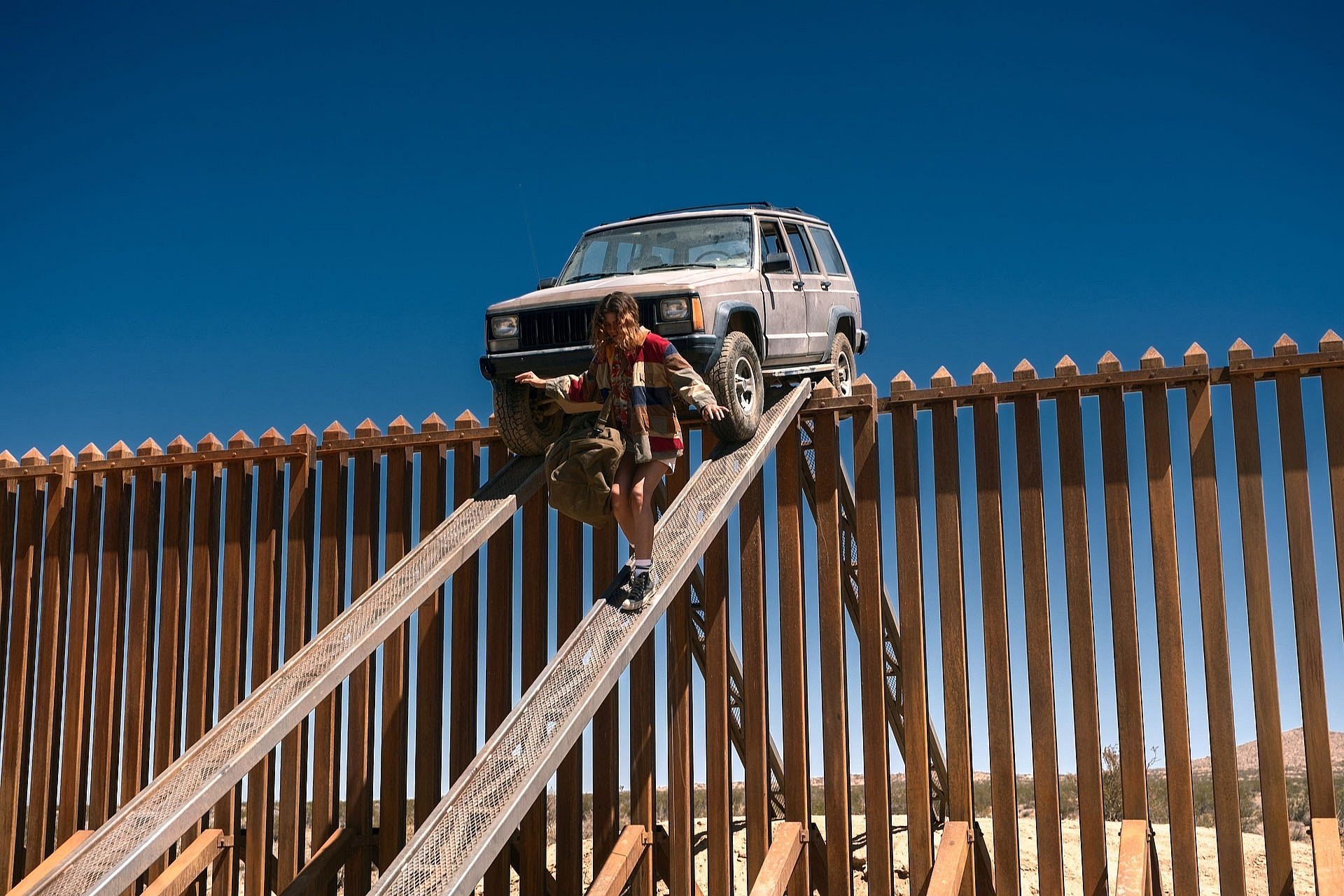
Season 3 kicks off in high style in the new 65mm VERITA, with Rue (Zendaya) driving to Agua Dulce, TX after a drug run in Mexico. But her jeep gets stuck on the border fence, forcing her to carefully make her way down safely.
"I really love that border wall scene," admits Rév. "We shot for three days. It was a really challenging, big scene. Obviously, shooting 15-feet high with an actor is not the easiest way to start. We built this border wall in Lancaster. We were also trying to match the time of day, every day, so there were certain angles we could shoot in certain times of the day. We had a real, 15-feet high wall, where we shot our wides and most of the action; then we had a 5-foot wall where we could get the close-ups of the car and every shot that didn't involve the horizon.
"And then we also had a separate unit led by DP Tehillah De Castro shooting details of the car, the wheels going up the ramp, the ramps hitting the wall, her foot on the pedal, etc. The approach was to make it as fun as possible, basically in the Jurassic Park way of these kinds of scenes with the jeep. It was a great metaphor for where Rue is in her life, and also the state of this country."
Photograph by Eddy Chen/HBO.
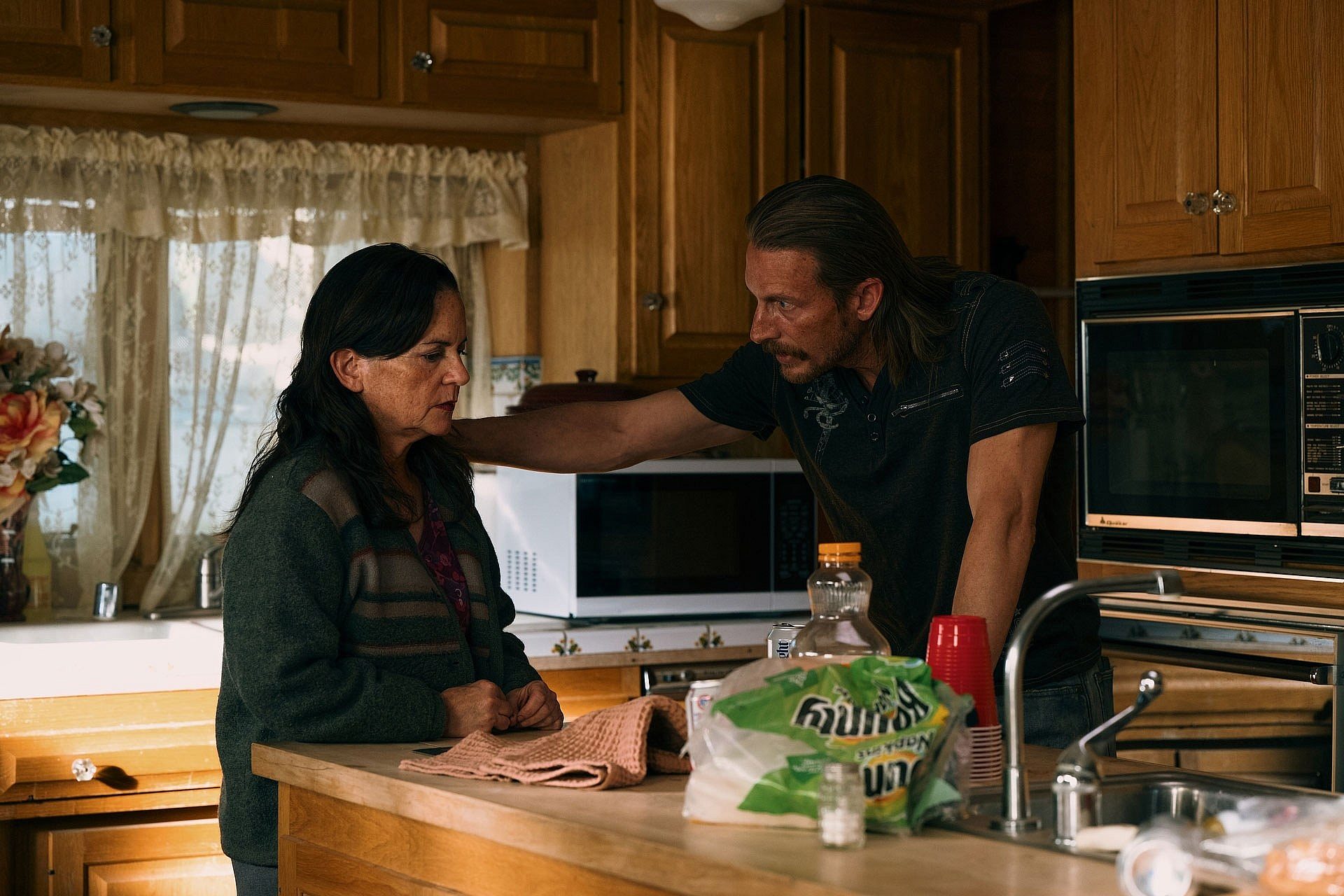
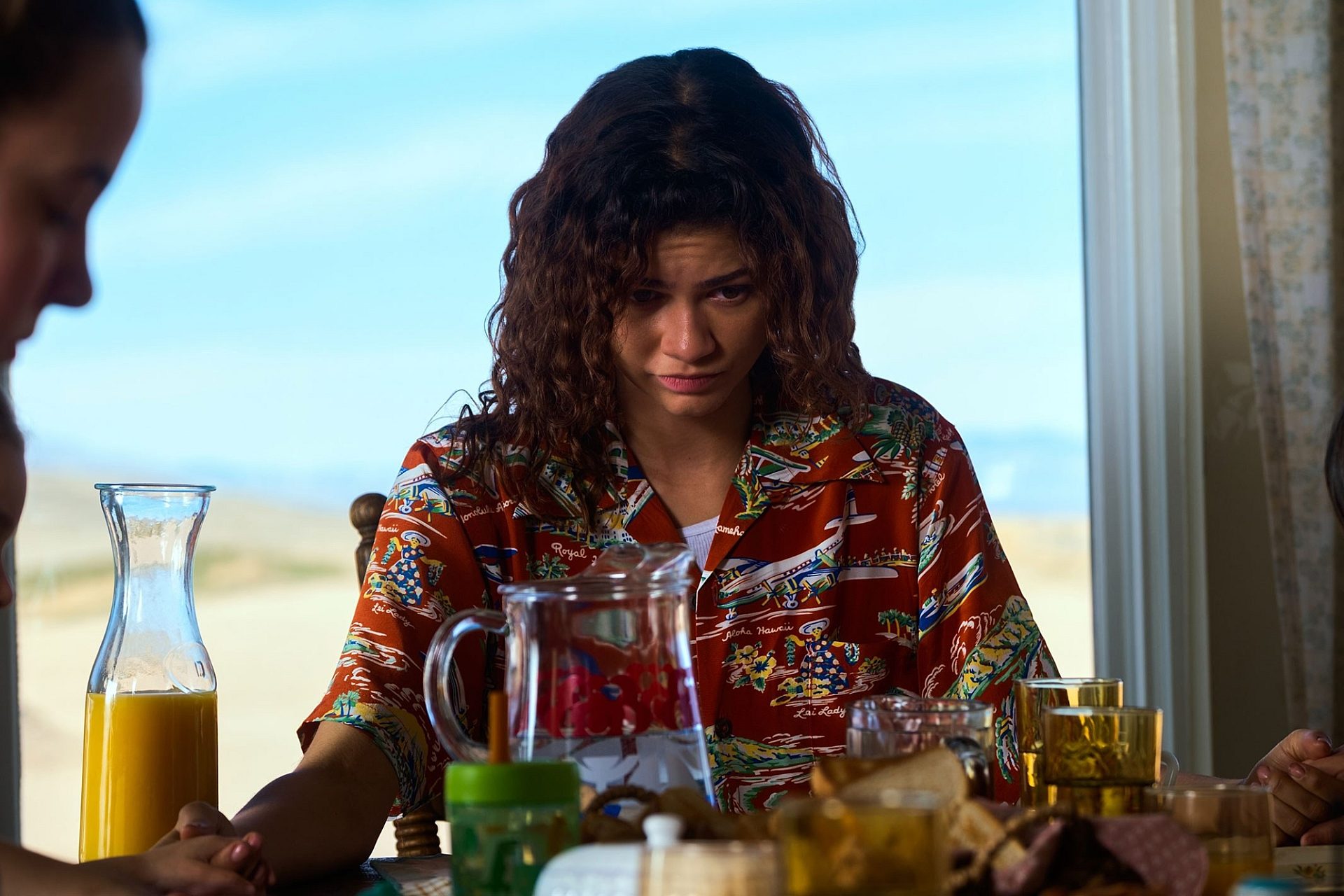
Continuing with VERITA, we find Rue sleeping in the barn of a rural Christian family in Agua Dulce. A meal with them later awakens a yearning for happiness and contentment. "We shot that early in the schedule," Rév recalls. "And I think when we saw what this stock could achieve in large format, both Sam and I thought that we had found the look of the season."
The homestead sequence concludes with an exquisitely shot farewell reminiscent of The Searchers in the way that it's framed in the doorway with the camera pulling from inside to outside. "To be honest, that similar framing wasn't a conscious decision, but the big sky and that Western look was a good representation of what we were trying to do," adds Rév.
Photograph by Patrick Wymore/HBO.
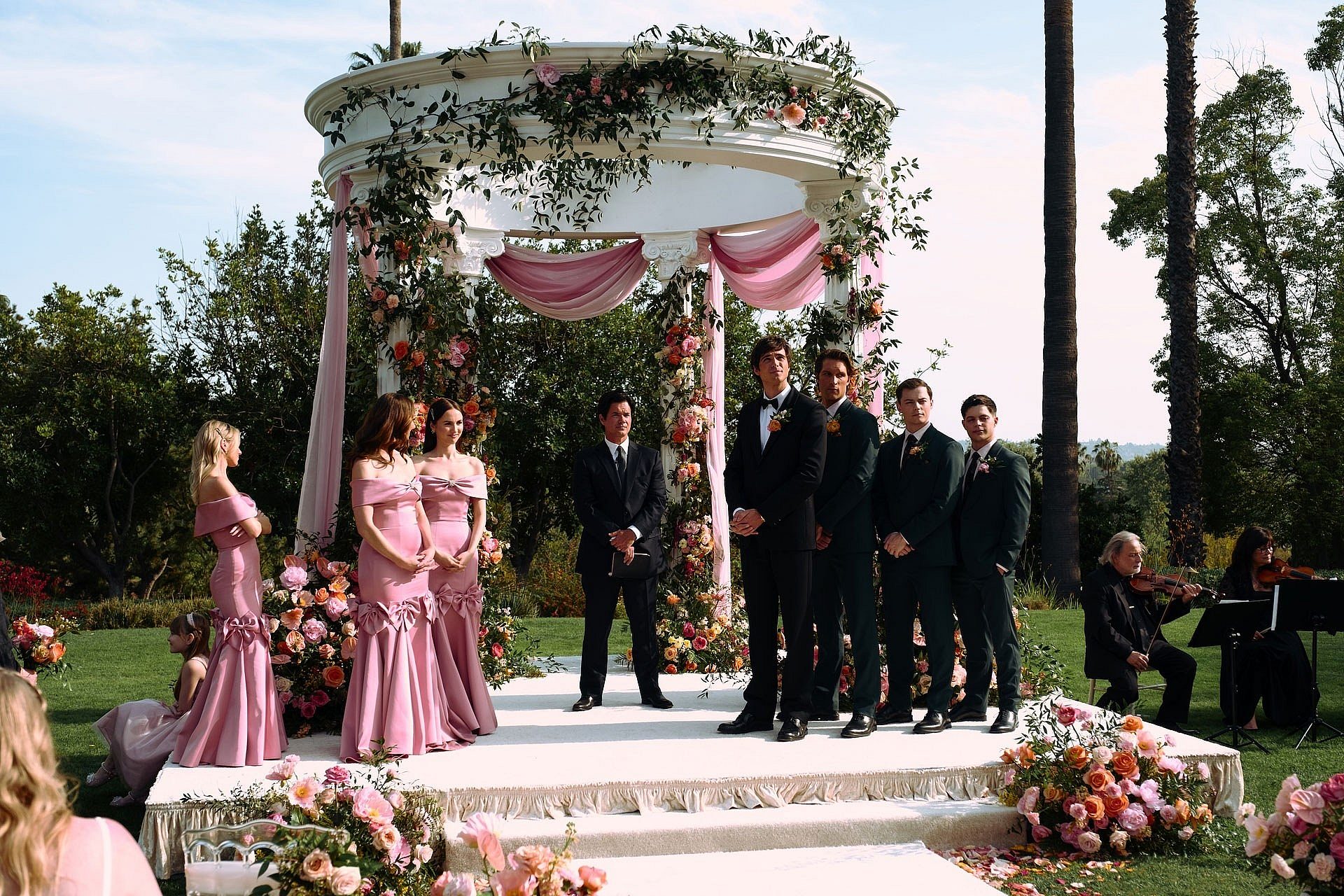
Meanwhile, the lavish outdoor wedding ceremony of Cassie (Sydney Sweeney) and Nate (Jacob Elordi) was a great display of Kodak’s new stock for the opulent setting and the portrait framing. "It has all the colors you can get with all those flowers and the blue ocean sky and the pink of that building behind," observes Rév.
The reception, by contrast, was a stage build shot on the VISION3 with a lot of light boxes and pre-rigged lighting with many light cues. "We tried to create a lighting plan where we were flexible to move quickly and travel longer distances with the camera without relighting or without adjusting too much," he continues.
Some of the visual highlights take place in the Silver Slipper strip club, the season's largest set build, where Rue works for charismatic yet ruthless owner, Alamo (Adewale Akinnouye-Agbaje). He wears a white cowboy hat and brandishes gold-plated firearms. Production designed by François Audouy, the club is located off the beaten track and looks like it was built in the '80s. Boasting a lot of colored lighting, it's both hip and dangerous, with creature taxidermy throughout to lend a predatory vibe.
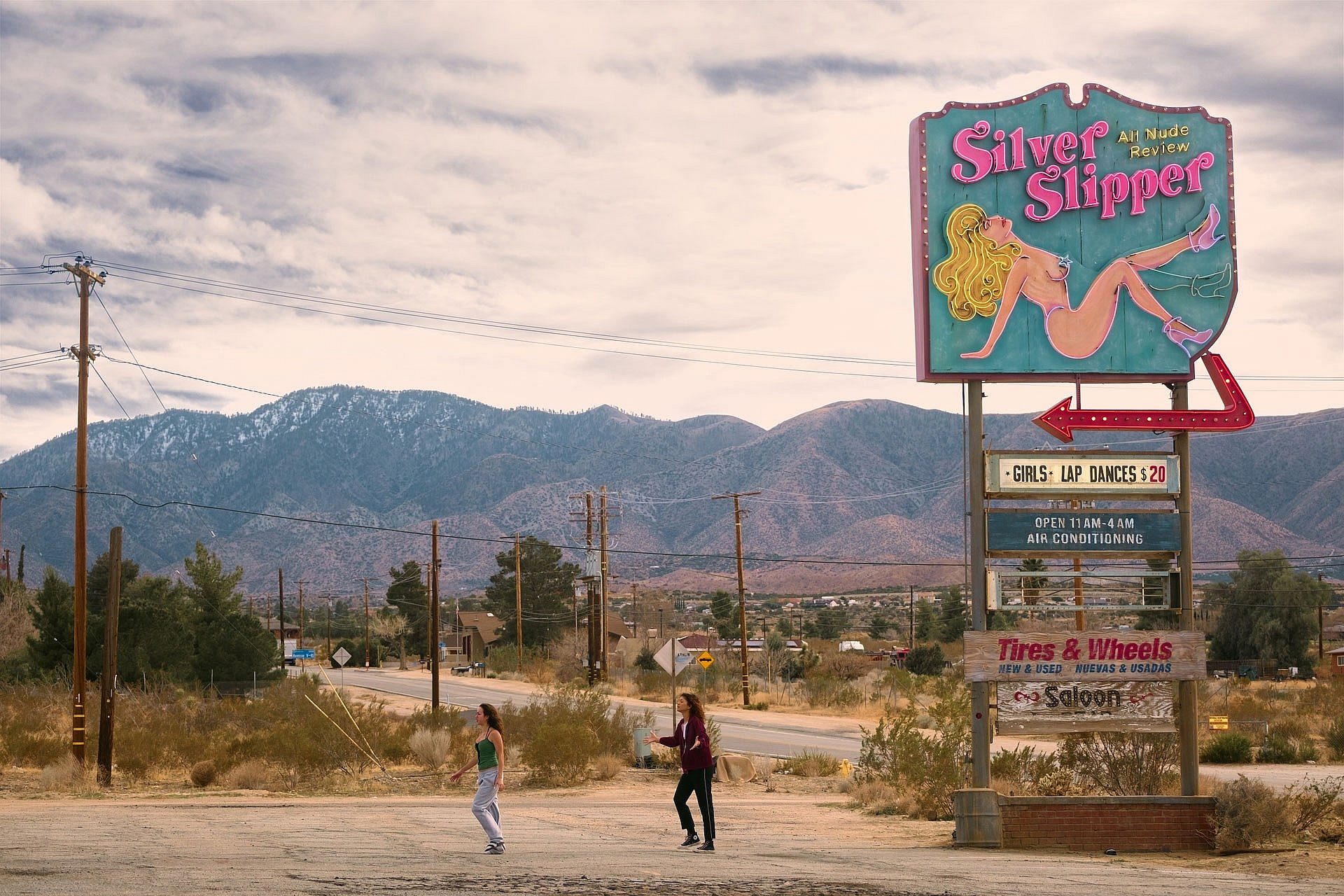
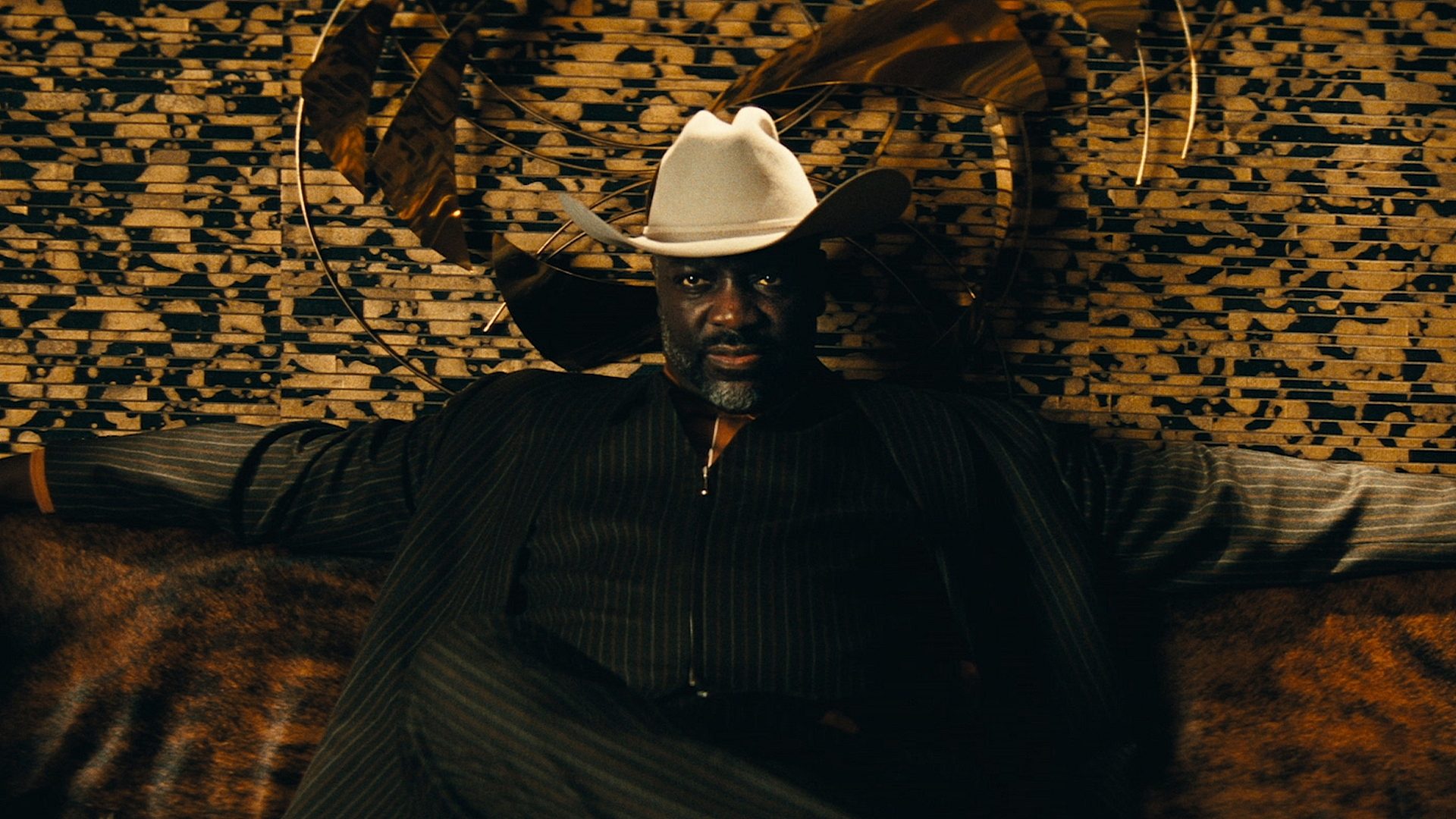
"We were trying to create a maze-like glam palace and a sleazy strip club at the same time with that golden tungsten globe look incorporated into the set design," Rév explains. "We had a lot of practical lights in there. That's shot mostly on the VISION 3, except for this daylight look that we shot on the VERITA, which is like the day scenes when supposedly the sun is up outside. You can feel the imaginary work lights flooding the space, that's shot on the VERITA stock."
The pole dance scenes, meanwhile, featuring Magick (Spanish singer Rosalia), the exotic dancer who wears a crystal orthopedic neck brace, contained a halo of hanging bulbs around the stage from above, as well as and an up light from under. "I could just dial it in with adjusting the under and the top light and the Edison bulbs around the stage surrounding the dancers floating in the air.," Rév adds. "That was just a great setup to give us different looks."
What ultimately made the use of VERITA a great choice for Season 3 was the versatility of its lushness. The mixture of different storylines involving the entertainment industry, real estate, a strip club, and the drug trade allowed the filmmakers to explore various looks from the '40s to the '90s. "We had our little thoughts and references of American cinema," Rév suggests. "There is definitely a Western aspect to it. The new season is intentionally bigger in scope, and we tried to match that with the tools we were using."
