What's next for inkjet inks? A closer look at the dispersion shift powering better print
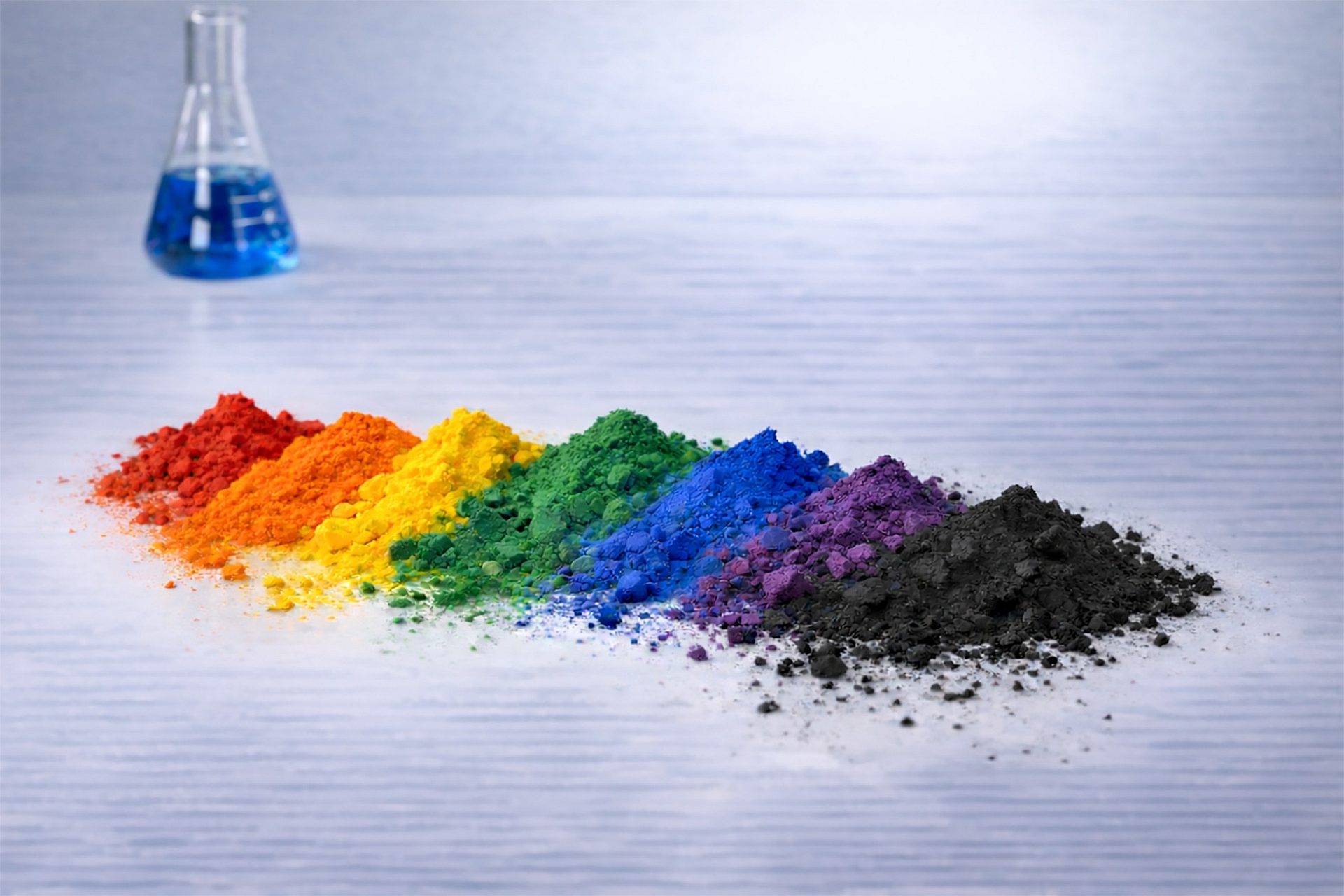
If you've spent any time around production print floors or even watched how quickly packaging and textile workflows are changing, you've seen it: inkjet is no longer the emerging option. It's becoming the default for more applications, and that momentum is raising the bar on what inks need to do day after day.
One of the biggest (and least visible) levers in ink performance is dispersion quality, how consistently pigment particles are milled, stabilized, and delivered through modern printheads. That's why Kodak is expanding its OEM materials business with KODACOLOR Dispersions: water-based, ultra-fine pigment dispersions intended for inkjet inks, coatings, and related applications, supplied as ready-to-use formulations for manufacturers who want to move faster from concept to production.
Why inkjet is putting new pressure on ink formulations
As inkjet expands across packaging, commercial, textile, desktop, and office environments, the requirements can look very different until you get to the shared realities—more SKUs, more substrates, tighter run-to-run tolerances, and less patience for downtime. In that environment, "good enough" dispersion control can quickly show up as variability on press.
For many ink makers, that translates into a practical question, how do you shorten development cycles and scale reliably without adding more process steps? Ready-to-use dispersions can help reduce manufacturing complexity and free teams to focus on formulation tuning and application performance. KODACOLOR Dispersions are positioned around that model—supporting efficiency and consistency while still leaving room to tailor inks to the end use.
The tiny details that make or break reliability
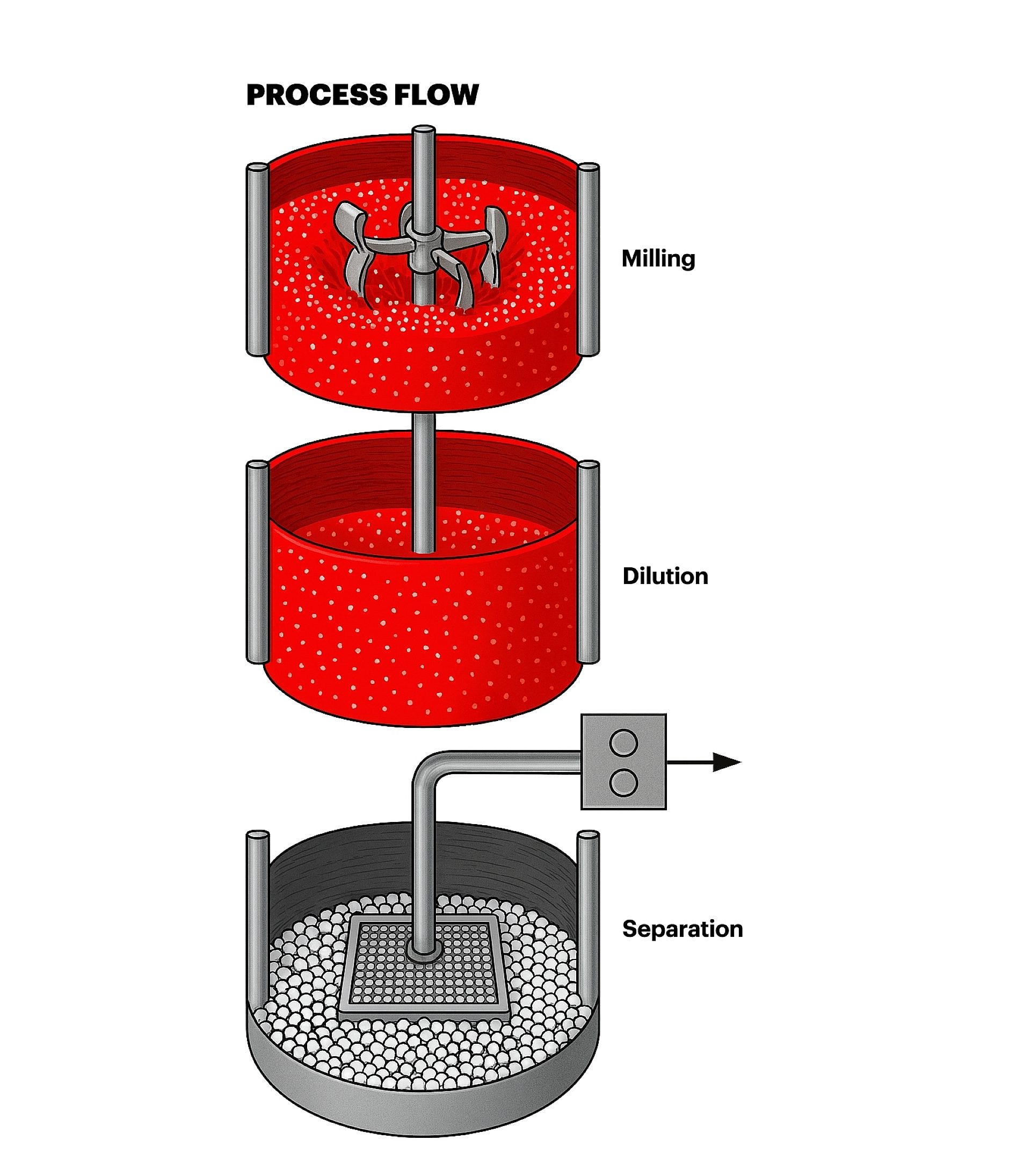
Inkjet performance often comes down to what you can't see. Pigment particle size and distribution influence how color lays down, how uniform it looks, and how stable it stays over time. Kodak's proprietary micromedia milling technology, built on materials-science expertise, is the foundation for nanoparticulate pigment dispersions with ultra-fine particle sizes as small as 11 nanometers. The goal is improved color uniformity, stronger saturation, and a broader achievable color gamut.
And because printheads are often the cost and uptime bottleneck in industrial environments, dispersion quality is also about risk management. Ultra-fine pigments can help reduce the likelihood of printhead issues and support longer service life, an especially meaningful benefit when systems are running high volume, long hours, and tight turnaround schedules.
Sustainability expectations are rising, too
Even when performance is the top priority, sustainability requirements increasingly shape material choices, whether driven by brand commitments, regulations, or internal ESG targets. KODACOLOR Dispersions are water-based and low-VOC, aligning with a shift toward more environmentally conscious ink production while still targeting the performance needed for demanding inkjet applications.
Why manufacturing discipline matters as much as chemistry
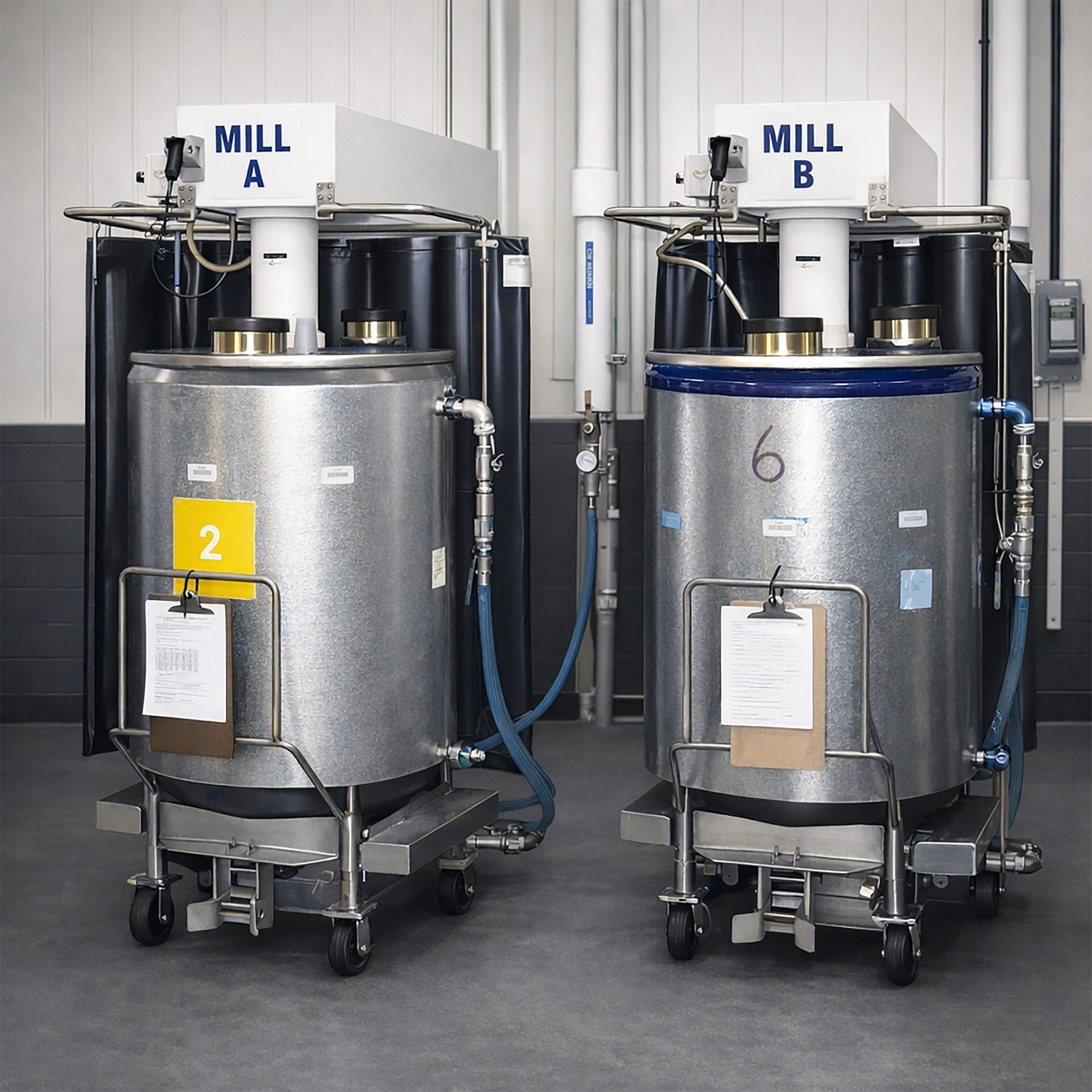
For OEMs and industrial ink suppliers, scale isn't just about volume, it's about repeatability. KODACOLOR Dispersions are engineered and manufactured by Kodak's Advanced Materials and Chemicals group in an ISO 9001-certified facility in Rochester, New York, leveraging decades of dispersion engineering and industrial coating experience. In practice, that kind of manufacturing discipline can support more predictable quality from batch to batch as inks move from pilot to full production.
What this could mean for the next wave of inkjet
With initial availability for industrial customers and OEMs in the United States with plans to expand internationally, KODACOLOR Dispersions reflect a broader trend of ink suppliers looking for ways to combine advanced materials performance with simpler, more scalable manufacturing paths. For teams developing the next generation of inkjet inks, it is important to recognize that the key factors often originate early in the process, well before the ink is introduced to the press.